
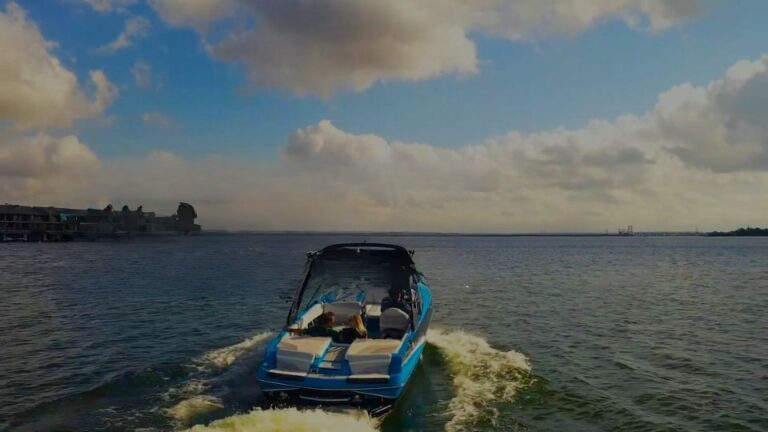
Lake Austin sits along the Colorado River and plays a central role in Austin’s well-known chain of lakes, alongside Lady Bird Lake and Lake Travis.
A steady water level supports recreation during every season, making the area suitable for both active outings and quiet days near the shoreline.
A calmer atmosphere separates Lake Austin from busier destinations such as Lake Travis, attracting locals and visitors looking for relaxed water access and outdoor time close to downtown Austin.
Let us talk about this exceptional place in greater detail, and provide you with some tips on what you can expect there.
Getting to Know Lake Austin
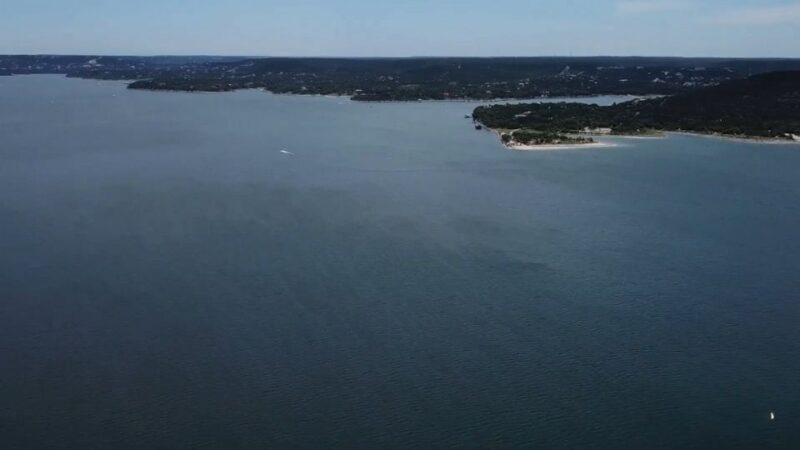
Life along Lake Austin revolves around steady water levels and consistent access.
A constant-level reservoir design allows boats to move freely during dry spells, creating reliable conditions across seasons.
Recreation remains active throughout the year, supported by calm stretches suited for beginners and open sections favored by experienced riders.
Popular water activities shape daily use on the lake, especially during warmer months. Regular sights on the water include:
- jet skis navigating main channels
- pontoon boats used for family outings
- wakeboarding boats operating near residential stretches
Dock-access dining contributes to the relaxed pace, allowing boaters to stop for meals without leaving the water.
Emma Long Metropolitan Park draws heavy visitation due to its mix of shoreline access, shaded picnic areas, hiking paths, and launch points that connect land-based recreation with lake activity.
Comparison with nearby lakes helps clarify what visitors can expect.
Motorized boating permission places Lake Austin in contrast with Lady Bird Lake, where paddling remains the primary option.
Tubing, wakeboarding, and jet skiing operate freely here, creating a more active environment.
Size and depth differences separate Lake Austin from Lake Travis, where deeper water and heavier traffic dominate summer weekends.
Short travel distance from central Austin supports quick trips, after-work outings, and repeat visits without extensive planning.
Trails Around Lake Austin
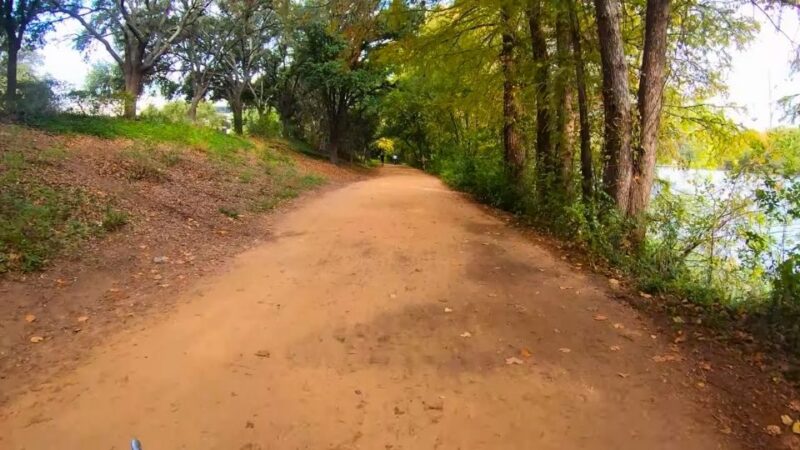
Outdoor access extends well beyond the shoreline.
Surrounding hills and parklands provide varied trail systems that accommodate casual walkers, fitness hikers, and experienced climbers.
Shaded routes remain common, offering relief during warmer seasons while maintaining scenic value year-round.
Best Hiking and Walking Trails
Mount Bonnell rises above the water and attracts visitors seeking wide views during late afternoon hours.
Emma Long Park supports longer outings with looped paths that serve hikers and mountain bikers. Turkey Creek Trail welcomes dogs and remains popular due to water crossings and dense tree cover.
Commons Ford Ranch Metropolitan Park combines open fields with gradual elevation changes.
River Place Nature Trail challenges hikers through sustained stair climbs and steep sections.
Trail variety becomes clear through distinct settings and experiences, including:
- sunset-oriented overlooks at Mount Bonnell
- creek crossings and forest terrain at Turkey Creek
- prairie and meadow scenery at Commons Ford Ranch
Trail Types and Difficulty
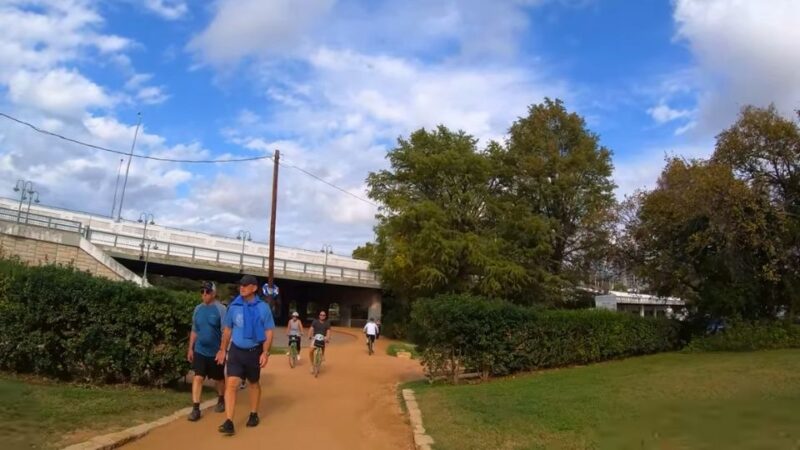
Walking paths at Commons Ford Ranch and Emma Long Park remain accessible for most visitors and families.
Elevation gain increases sharply along River Place Nature Trail, where stair-heavy sections demand physical effort.
Distance options typically fall between one and four miles, allowing visitors to choose routes based on time and energy levels.
Scenic Lookouts and Photo Spots
Photography opportunities appear consistently across higher elevations and shaded creek areas. Mount Bonnell delivers wide-angle views across water and city rooftops.
Turkey Creek Trail pairs greenery with reflective water surfaces.
River Place Nature Trail reaches vantage points that overlook Hill Country terrain and portions of Lake Austin.
Scenic Spots and Outdoor Activities
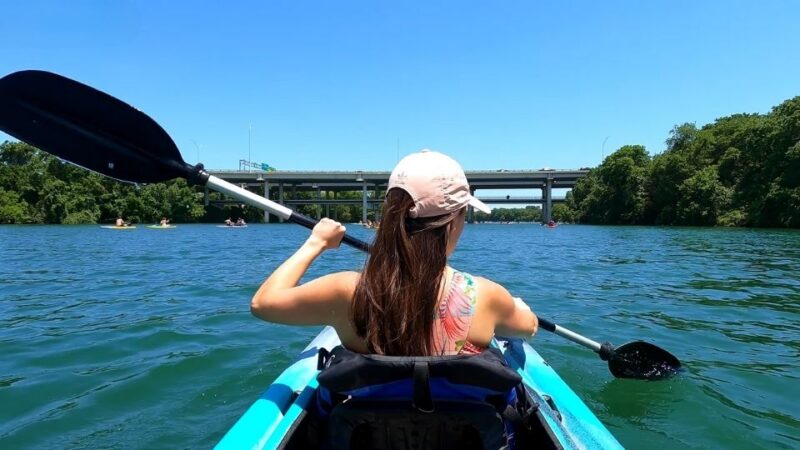
Outdoor recreation near Lake Austin combines calm water access with protected park space.
Quiet stretches remain available even during busy seasons, especially during early hours or along less trafficked bends.
Water-Based Views
Kayakers and paddleboarders often seek curved shorelines and sheltered inlets.
Boat tours provide changing perspectives as light shifts across hills and water.
Sunset hours attract photographers due to soft lighting and reduced glare.
Parks and Natural Areas
Public parkland anchors much of the recreational use.
Emma Long Metropolitan Park supports extended visits through camping, shoreline access, and multi‑use trails.
Commons Ford Ranch emphasizes open space and restoration areas, encouraging slower‑paced activities.
For visitors interested in how lake water quality is improved and preserved, resources on lake cleaning and restoration can provide guidance on restoring shoreline health and water clarity in natural and developed environments.
Facilities commonly available at these parks include:
- picnic tables and shaded rest areas
- designated water access points
- walking paths separated from boat traffic
Fishing and Angling Locations
Anglers regularly target bass species, especially largemouth bass and sunfish.
Boats and private docks offer better positioning than public shoreline access.
Quieter sections away from main boating corridors often produce better results.
Kayaking, Paddleboarding, and Boating
Rental providers supply equipment across several launch sites, supporting visitors without personal gear.
Motorized use remains popular for wakeboarding and tubing, especially during summer weekends.
Calm conditions appear most often during early morning hours near shorelines.
Dining and Lakeside Hangouts
Dockside dining adds a social element to time on the lake.
Restaurants such as Hula Hut and Abel’s on the Lake allow boat tie-ups and serve food directly over the water.
Evening visits often follow hikes or boating sessions, timed with sunset views.
Best Times to Visit Lake Austin
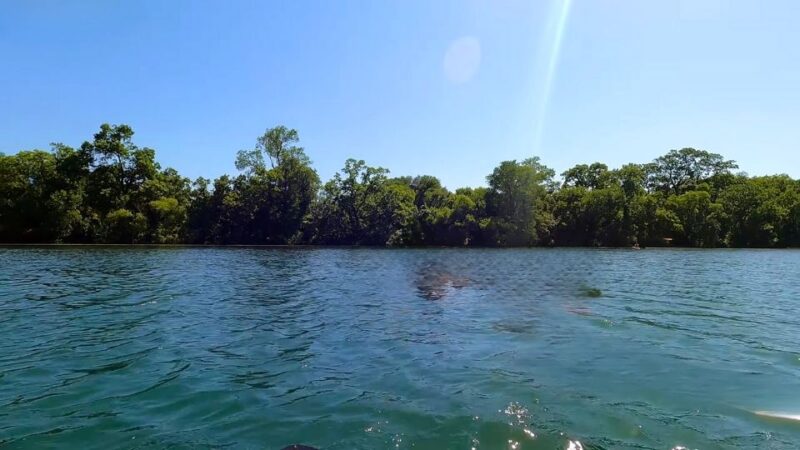
Seasonal changes shape both activity levels and visitor experience.
Weather patterns influence water use, trail comfort, and crowd size across the calendar.
Seasonal Breakdown
Spring brings mild temperatures and blooming wildflowers, supporting both hiking and boating while festivals increase visitation.
Summer centers on water sports and social boating, though heat encourages early or late activity.
Fall introduces cooler air and seasonal color, paired with reduced crowds and October music events.
Winter offers quiet conditions, lower lodging costs, and peaceful surroundings, balanced by occasional cold fronts.
Seasonal traits typically include:
- increased crowds and prices during spring and summer
- calmer conditions and better rates during winter
- comfortable outdoor temperatures during fall
Crowd and Cost Considerations
Peak visitation occurs during spring and summer months, driving higher accommodation prices and busier waterways.
Winter months support budget-focused travel and quieter parks. Weekday visits reduce congestion regardless of season.
Daily Timing Tips
Morning hours suit hiking, kayaking, and photography due to cooler air and smooth water.
Also read: Hiking Trails in East Texas
Late afternoon favors swimming and boat rentals. Sunset viewing pairs well with Mount Bonnell overlooks or lakeside dining locations.
What to Pack
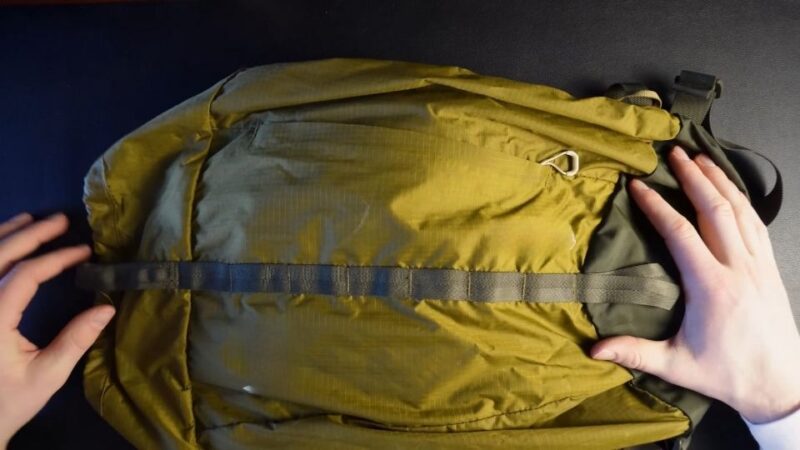
Time spent around Lake Austin often involves a mix of trail use, water activity, and extended outdoor exposure.
Packing with flexibility in mind helps visitors move comfortably between hiking paths, shoreline areas, and time on the water without needing to return for extra supplies.
Clothing and footwear should support varied terrain and weather conditions.
Trail-ready shoes remain useful even during short walks, while breathable clothing improves comfort during warm months.
Water-focused activities call for items that handle repeated exposure to moisture and sun.
Key items that support a smooth visit include:
- sturdy walking or hiking shoes for uneven paths
- sun protection such as hats, sunglasses, and sunscreen
- insect repellent during spring and summer
- reusable water bottles to stay hydrated during long outings
Water access often becomes part of the day even without formal plans.
Swimwear allows flexibility for spontaneous lake access, while water shoes protect feet near rocky or uneven shorelines.
Towels help with drying off after paddling, swimming, or boating.
Photography remains a common activity due to elevated viewpoints and water reflections.
Phones or cameras with sufficient storage and battery life help avoid missed moments during longer days outdoors.
Safety and Regulations
Shared use of trails and waterways makes awareness an important part of any visit.
Posted signage throughout parks and access points provides guidance that should be checked upon arrival, especially during warmer months.
Water safety rules apply across all boating and paddling activities.
Life jackets remain required and should be worn consistently, particularly during wakeboarding, tubing, and paddleboarding.
Algae advisories appear less frequently here than at nearby lakes, though conditions can change and notices should always be reviewed before entering the water.
Pet access remains common on many trails, though rules vary by location. Leash requirements appear clearly at park entrances and along trailheads.
Respecting these guidelines helps maintain safety for hikers, pets, and wildlife alike.
The Bottom Line
Lake Austin provides an outdoor retreat located minutes from downtown Austin.
Options range across hiking trails, fishing areas, water sports, and dockside dining.
Spring and fall deliver favorable weather conditions, while winter supports budget-friendly stays and quiet surroundings.